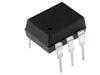
The 4N27 optocoupler is a versatile and essential component for modern electronic designs. Renowned for its reliable performance, the 4N27 is particularly valuable in situations where electrical isolation is a necessity. With its unique features and specifications, the 4N27 serves a myriad of applications, making it a favorite among engineers and hobbyists alike. Discover more optocouplers on our optocouplers category page.
What is the 4N27 Optocoupler?
The 4N27 is a type of optoelectronic device that utilizes a light-emitting diode (LED) and a phototransistor to provide electrical isolation between an input circuit and an output circuit. This isolation is critical in various applications, particularly in environments where high voltages are present. The 4N27 comes in a 6-pin Dual In-Line Package (DIP6) configuration, which is ideal for both through-hole and surface-mount applications.
Key Features of the 4N27
- High Insulation Voltage: The 4N27 boasts an impressive insulation voltage of 5kV, ensuring that high voltages do not affect the input circuit.
- Output Transistor: The output stage of the 4N27 is a high-speed phototransistor, allowing for quick and reliable signal transmission.
- Collector-Emitter Voltage (Uce): With a maximum collector-emitter voltage of 80V, the 4N27 can handle a wide range of applications.
- Low Input Current: This optocoupler requires very low input current, making it an efficient solution for signal isolation and control.
- Compatible Package: The DIP6 package of the 4N27 makes it compatible with standard breadboards and circuit designs.
Applications of the 4N27 Optocoupler
The 4N27 is used in a variety of applications, each benefiting from its unique electrical characteristics and design. Here are some common applications:
- Switching Power Supplies: The 4N27 is ideal for isolating control signals in switching power supply circuits.
- Signal Isolation: Use the 4N27 to provide signal isolation in communication systems to protect low/current devices from high-voltage signals.
- Microcontroller Interfaces: The 4N27 allows microcontrollers to safely interact with higher voltage systems.
- Data Transmission: Suitable for data transmission applications where electrical isolation is crucial.
- Industrial Automation: The 4N27 can be used in industrial circuits to help in the automation processes while maintaining safety standards.
Advantages of Using the 4N27 Optocoupler
Opting for the 4N27 in your electronic designs provides several significant advantages:
- Electrical Isolation: The most prominent advantage of the 4N27 is its ability to electrically isolate different parts of a circuit, ensuring safety and reliability.
- Noise Immunity: With its robust construction, the 4N27 is effective at reducing noise in electronic signals, leading to clearer data transmission.
- Thermal Stability: The 4N27 is designed to operate effectively over a wide temperature range, making it suitable for various environments.
- Compact Size: Its small DIP6 packaging means that it can easily fit into compact circuit designs without compromising performance.
- Cost-Effectiveness: The 4N27 offers high performance at a relatively low cost, ensuring excellent value for your electronic projects.
Understanding the Specifications of the 4N27
When choosing the 4N27, it is essential to be familiar with its specifications to ensure its suitability for your project. Below are some critical specifications:
- Insulation Voltage: 5kV, providing excellent isolation to protect sensitive components.
- Collector-Emitter Voltage (Uce): 80V maximum, suitable for a wide array of applications.
- Input Current: Low input current requirements, enhancing energy efficiency.
- Output Type: Transistor output, facilitating easy interfacing with other electronic components.
- Package Type: DIP6, offering versatility in various circuit designs.
How to Use the 4N27 in Your Circuit
Implementing the 4N27 in your circuits is straightforward. Here are some essential steps for using the 4N27 optocoupler:
- Identify the Circuit Requirements: Determine the voltage and current specifications for your application.
- Connect the Input Side: Connect the LED input to the control circuit, ensuring that the forward voltage matches the specifications.
- Connect the Output Side: Interface the phototransistor output with your load or control circuit.
- Provide Power and Test: Power the circuit and confirm that the optocoupler is functioning as intended.
Conclusion
In conclusion, the 4N27 optocoupler is a reliable and versatile component essential for various electronic applications. Its ability to provide electrical isolation, combined with low input current requirements and high insulation voltage ratings, makes it an indispensable tool for engineers and hobbyists alike. Whether you are designing an industrial control system or a simple DIY project, the 4N27 could be the component that enhances your circuit’s performance and reliability.