

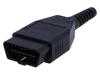

In today’s automotive world, reliable connections between various components are crucial for optimal performance and functionality. The 361316 connector housing is an essential part of OBD (On-Board Diagnostics) systems, specifically designed to accommodate 16-pin configurations for efficient data transfer and diagnostics. Whether you’re a seasoned mechanic, an automotive enthusiast, or a DIYer, understanding the significance of the 361316 connector can enhance your vehicle’s performance and repair processes.
Connector housing refers to the casing that houses the electrical connections between various automotive components. This housing ensures that the pins are securely held in place, preventing any electrical shorts or connection failures during operation. The 361316 connector housing is built for specific applications that require reliable and durable connections.
On-Board Diagnostics (OBD) plays a crucial role in monitoring vehicle performance and emissions. OBD systems generate diagnostic trouble codes (DTCs) that are vital for identifying malfunctions within a vehicle. The 361316 connector housing serves as the backbone for connecting various OBD components, enabling efficient data communication. Without a reliable connector like the 361316, diagnosing and addressing vehicle issues can become a tedious process.
The 361316 connector housing is designed to provide secure electrical connections between the OBD port and the vehicle’s system. When a vehicle experiences an issue, the OBD system sends signals through this connector to read or clear trouble codes. Here’s a simplified breakdown of how it functions:
When it comes to OBD connectors, reliability and quality are paramount. The 361316 offers several advantages that make it a preferred choice among automotive professionals:
For those looking to install the 361316 connector housing, follow these steps to ensure a proper installation:
The 361316 connector housing is more than just a component; it’s a vital piece of the automotive puzzle that ensures efficient communication and diagnostics within vehicles. Investing in a high-quality 361316 connector not only enhances your vehicle’s reliability but also provides peace of mind when tackling repairs or modifications. With its durable construction, compatibility with OBD systems, and easy installation process, the 361316 is the ideal choice for anyone looking to improve their vehicle’s diagnostic capabilities.
Be sure to add the 361316 connector housing to your toolkit, and experience the difference it can make in your automotive endeavors! Additionally, explore our full range of products in the housings and terminals for car audio category.
| Weight | 0,041 kg |
|---|---|
| Manufacturer | |
| Number-of-pins | |
| Type-of-car-audio-accessories | |
| Connector | |
| Kind-of-connector |
162 in stock